

Why Digital Marketing Is the Growth Engine Your Business Needs in 2026
In today’s digital-first world, a website is often the first interaction a customer has with a brand. Before speaking to sales, reading reviews or comparing prices, users judge a business based on its website experience. In just a few seconds, visitors decide whether to stay, explore or leave.
In 2026, website experience is no longer just about design – it directly influences trust, engagement and buying decisions.
What Is Website Experience?
Website experience refers to how users interact with and feel about a website. It includes usability, speed, design, content clarity, navigation and overall ease of use.
A strong website experience helps users:
- Find information quickly
- Understand the value of an offering
- Feel confident and secure
- Take action without friction
A poor experience creates confusion, frustration and doubt – leading to lost conversions.
Why Website Experience Matters for Buying Decisions
First Impressions Build Trust
Users form opinions about a website within seconds. A clean, professional and fast-loading website builds credibility, while cluttered or outdated designs reduce trust.
Ease of Use Reduces Friction
If users struggle to navigate, find information or complete actions, they are less likely to convert – no matter how good the product is.
Experience Shapes Brand Perception
A seamless website experience positions a brand as reliable, modern and customer-focused.
How Digital Marketing Drives Business Growth in 2026
| Factor | Impact on Buying Decisions |
|---|---|
|
Page Speed |
Faster sites increase engagement and trust |
|
Navigation |
Clear structure improves usability |
|
Visual Design |
Professional design builds credibility |
|
Content Clarity |
Reduces confusion and hesitation |
|
Mobile Optimization |
Supports on-the-go decision-making |
|
Trust Signals |
Encourages confidence and action |
Page Speed: The Silent Conversion Killer
Slow-loading websites are one of the biggest reasons users abandon pages. Even a delay of a few seconds can significantly impact conversions.
Fast websites:
- Keep users engaged
- Reduce bounce rates
- Improve search rankings
- Increase conversion rates
Speed directly affects both user satisfaction and buying behavior.
Design and Visual Hierarchy
Good design is not about looks alone – it’s about communication. Visual hierarchy guides users’ attention toward important elements such as headlines, benefits and CTAs.
Effective design:
- Uses consistent colors and fonts
- Highlights key messages
- Avoids clutter
- Improves readability
Clear design helps users make decisions faster.

Navigation and User Flow
Navigation plays a critical role in website experience. Users should be able to move through pages intuitively without thinking.
Best practices include:
- Simple menu structures
- Logical page flow
- Clear internal linking
- Minimal distractions
A smooth user flow keeps visitors engaged and moving toward conversion.
Content Clarity and Messaging
Clear, concise content builds confidence. Users should instantly understand:
- What the business offers
- How it solves their problem
- Why they should choose it
Confusing or generic content increases hesitation and decision fatigue.
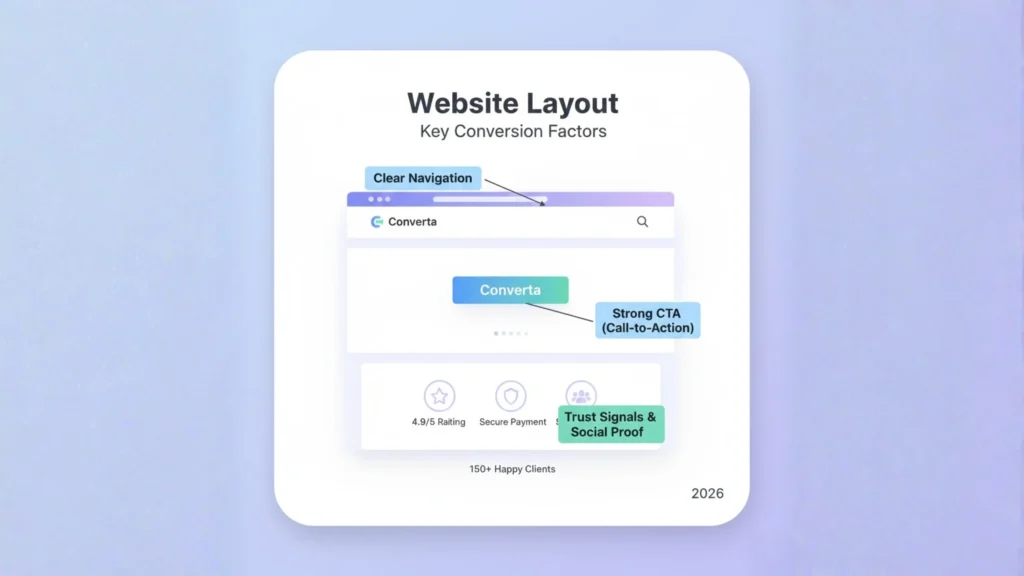
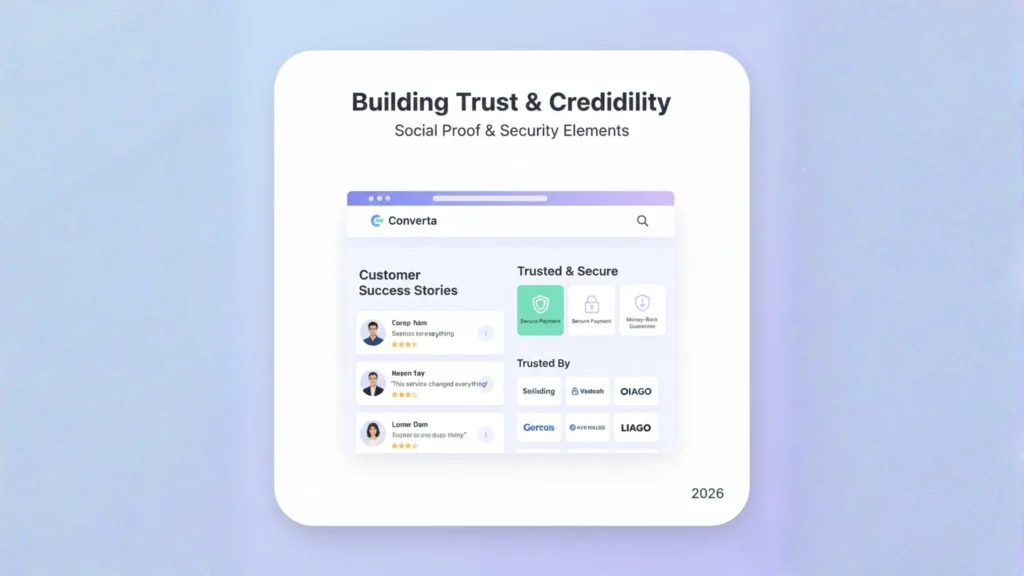
Trust Signals and Social Proof
Buying decisions are heavily influenced by trust. Websites that display trust signals perform better.
Common trust elements:
- Testimonials and reviews
- Certifications and badges
- Case studies
- Secure payment indicators
- Clear contact information
These reassure users and reduce perceived risk.
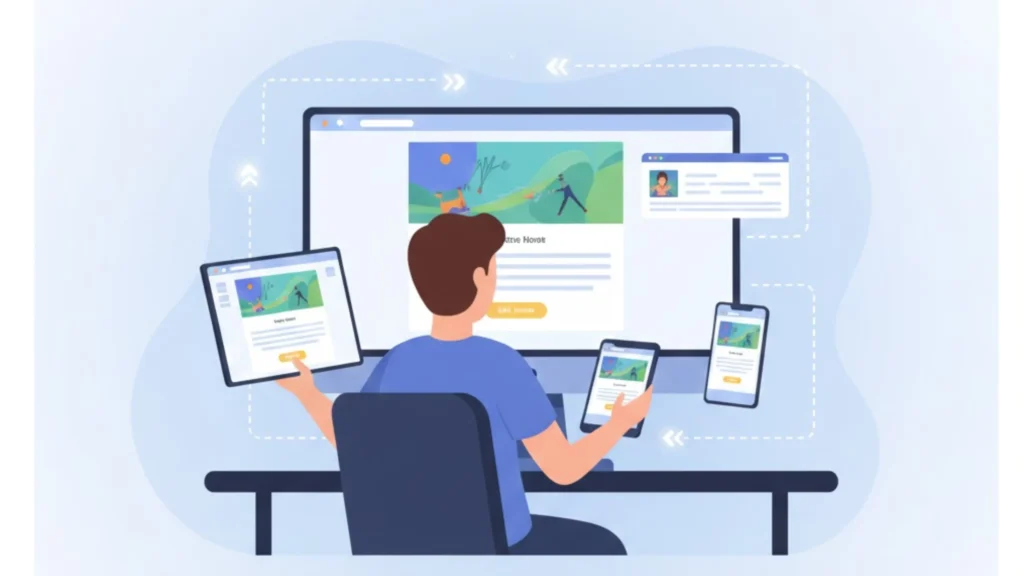
Mobile Experience Shapes Modern Buying Decisions
With most users browsing on mobile devices, mobile experience is no longer optional.
A mobile-optimized website:
- Loads quickly
- Adapts to screen sizes
- Has easy-to-tap buttons
- Simplifies forms
Poor mobile experience directly results in lost sales.
Website Experience and Conversion Optimization
Website experience and conversion rate optimization work together. Improving UX leads to:
- Higher engagement
- Lower bounce rates
- Better conversion rates
- Increased revenue
Optimizing experience ensures users feel comfortable taking action.
The Future of Website Experience
In 2026, website experience will continue evolving through:
- Personalization
- AI-driven UX improvements
- Faster performance standards
- Faster performance standards
Businesses that prioritize experience will win customer trust and loyalty.
Conclusion
Website experience directly influences buying decisions at every stage of the customer journey. A fast, clear and user-friendly website builds trust, removes friction and encourages action.
In a competitive digital landscape, businesses that invest in better website experiences convert more visitors – and grow faster.
Frequently Asked Questions
Website experience refers to how users interact with a website, including usability, design, speed, navigation, content clarity and overall ease of use.
A positive website experience builds trust, reduces friction and makes it easier for users to understand offerings, which directly increases the likelihood of purchase.
Good user experience improves engagement, reduces bounce rates and guides users smoothly toward actions like sign-ups or purchases, increasing conversion rates.
Slow-loading websites frustrate users and cause drop-offs, while fast-loading pages improve engagement, trust and conversion performance.
Most users browse on mobile devices. A poor mobile experience leads to lost sales, while mobile-optimized websites improve accessibility and conversions.