
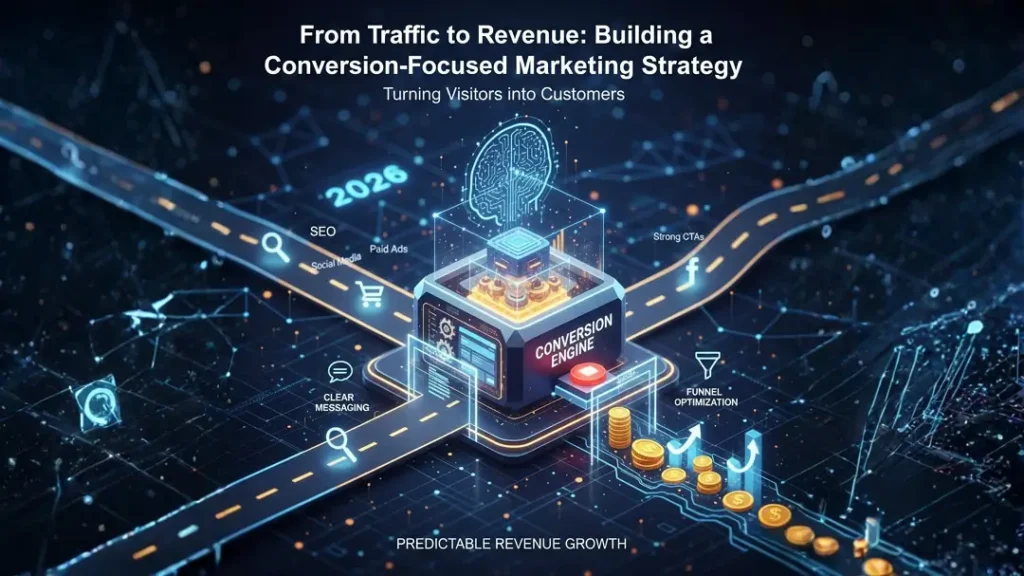
From Traffic to Revenue: Building a Conversion-Focused Marketing Strategy
In today’s digital landscape, generating traffic is no longer the biggest challenge. Businesses invest heavily in SEO, paid ads and social media to bring users to their websites – yet many struggle to turn that traffic into actual revenue.
The missing link is a conversion-focused marketing strategy. In 2026, success depends not on how many visitors you attract, but on how effectively you guide them toward meaningful actions.
Why Traffic Alone Doesn’t Guarantee Revenue
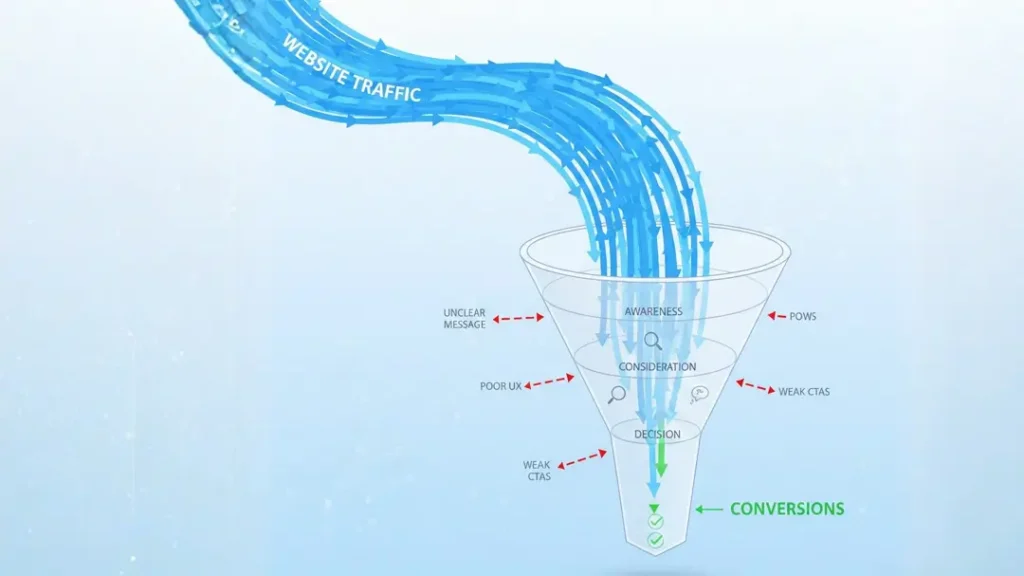
High traffic numbers may look impressive, but traffic without conversions is just a vanity metric. Visitors often leave websites because of:
- Unclear messaging
- Poor user experience
- Weak CTAs
- Slow page speed
- Lack of trust signals
A conversion-focused approach ensures every visit has a purpose and a clear path toward conversion.
What Is a Conversion-Focused Marketing Strategy?
A conversion-focused marketing strategy is designed to guide users from their first interaction to final action – whether that’s a purchase, sign-up or inquiry.
It aligns:
- Traffic sources
- Messaging
- User experience
- CTAs
- Funnel stages
The goal is to reduce friction and increase revenue from existing traffic.
Core Elements of a Conversion-Focused Strategy
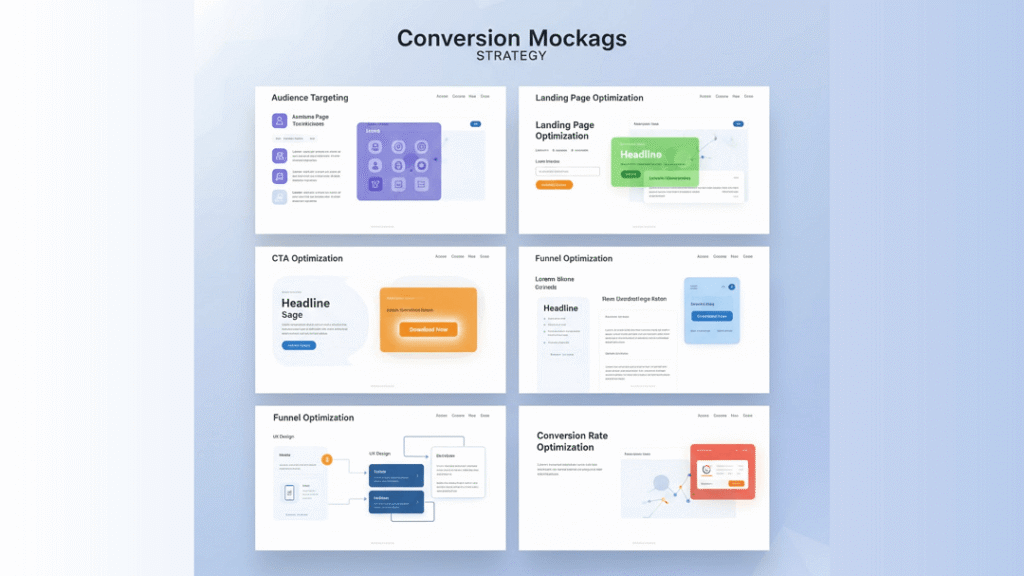
| Element | Role in Revenue Growth |
|---|---|
|
Audience Targeting |
Attracts high-intent users |
|
Landing Page Optimization |
Converts visitors into leads |
|
CTA Optimization |
Encourages action |
|
UX Design |
Reduces friction |
|
Funnel Optimization |
Guides users to conversion |
|
Conversion Rate Optimization |
Improves results without more traffic |
Step 1: Attract the Right Traffic
Not all traffic is equal. A conversion-focused strategy starts with intent-based targeting.
High-converting traffic sources include:
- SEO targeting transactional and commercial keywords
- Paid ads focused on high-intent audiences
- Retargeting campaigns
- Content aligned with buyer intent
Quality traffic increases the likelihood of conversion.
Step 2: Align Messaging With User Intent
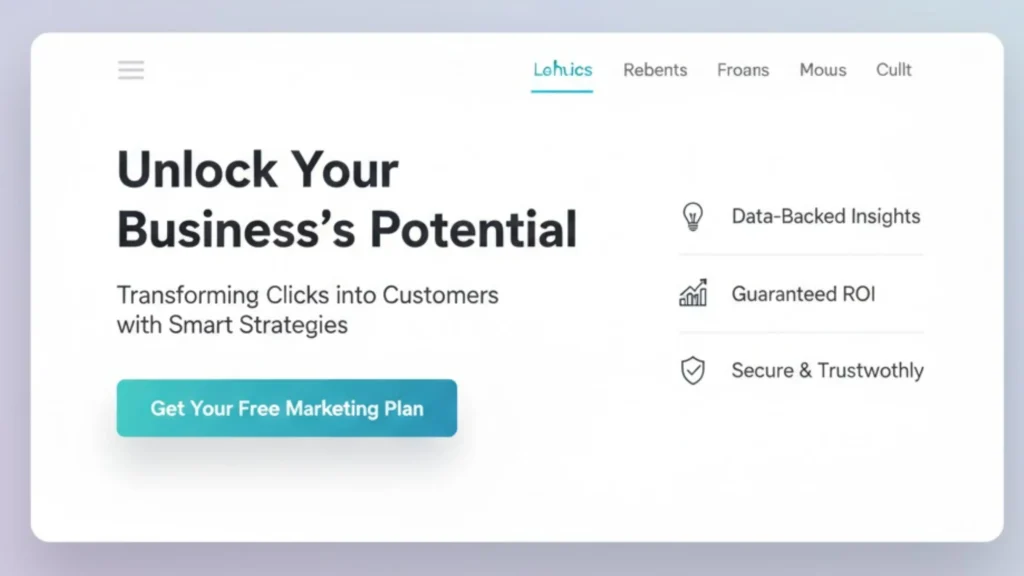
When users land on your site, your messaging must immediately answer:
- What is this?
- How does it help me?
- Why should I trust it?
Clear headlines, benefit-driven copy and consistent messaging reduce confusion and increase engagement.
Step 3: Optimize User Experience for Conversions
User experience plays a major role in buying decisions. Even interested users will abandon a site if the experience feels difficult or confusing.
Best practices include:
- Fast-loading pages
- Mobile-first design
- Simple navigation
- Clear content hierarchy
- Minimal distractions
A smooth experience builds trust and confidence.
Step 4: Strengthen CTAs and Conversion Points
CTAs are the turning point between interest and action. Effective CTAs are:
- Clear and action-oriented
- Visible without being intrusive
- Placed strategically across the page
- Aligned with funnel stage
Examples:
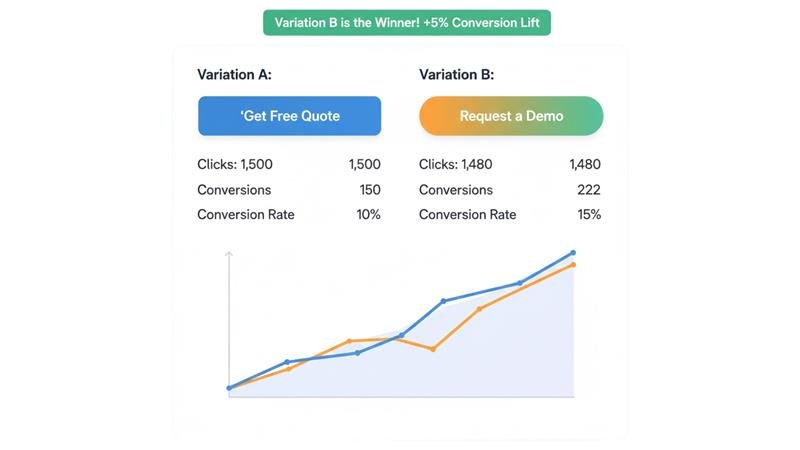
- Get Free Quote
- Request a Demo
- Download the Guide
Step 5: Build a Conversion-Optimized Funnel
A conversion-focused funnel ensures users don’t drop off before reaching the final step.
- Top of Funnel: Awareness and education
- Middle of Funnel: Trust-building and comparison
- Bottom of Funnel: Simplified decision-making
Each stage should remove friction and guide users forward.
Step 6: Use Conversion Rate Optimization (CRO)
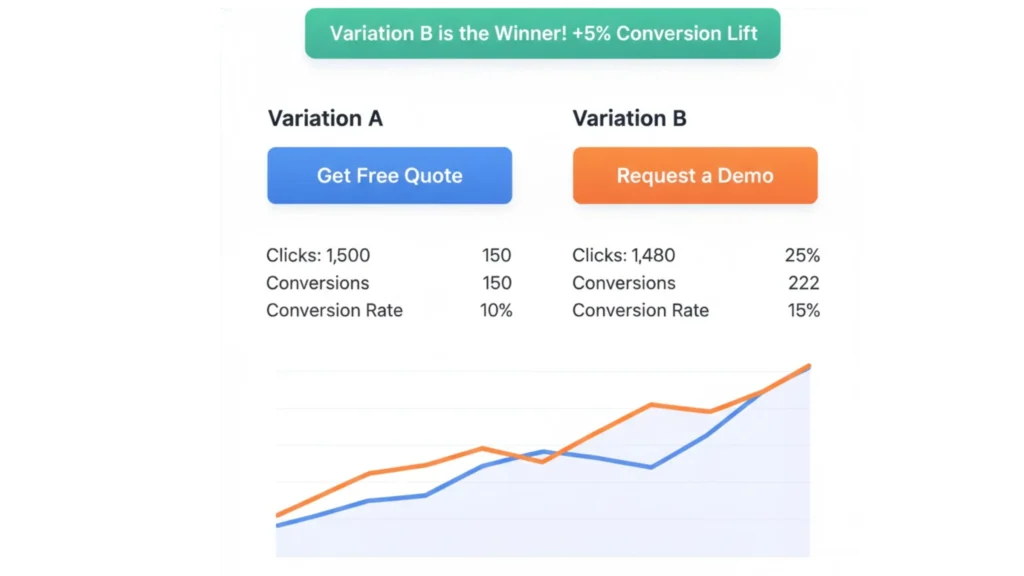
CRO focuses on improving results without increasing traffic. It relies on data and testing to optimize performance.
Key CRO techniques include:
- Landing page optimization
- CTA optimization
- A/B testing
- Funnel analysis
- UX improvements
Small changes can lead to significant revenue growth over time.
Benefits of a Conversion-Focused Marketing Strategy
Businesses that adopt this approach experience:
- Higher conversion rates
- Better lead quality
- Lower customer acquisition costs
- Increased ROI
- Predictable revenue growth
Conversion-focused marketing turns marketing spend into measurable business results.
The Future of Conversion-Focused Marketing
In 2026, conversion strategies will evolve through:
- AI-driven personalization
- Behavioral analytics
- Predictive insights
- Privacy-first tracking
Businesses that focus on optimizing conversions – not just traffic – will scale faster and more efficiently.
Conclusion
Traffic brings opportunity, but conversions drive growth. A conversion-focused marketing strategy ensures that every visitor has a clear path toward becoming a customer.
By aligning traffic sources, messaging, user experience and optimization efforts, businesses can transform their websites into powerful revenue engines.
Frequently Asked Questions
A conversion-focused marketing strategy prioritizes turning website visitors into leads or customers by optimizing UX, CTAs, landing pages and funnels instead of only increasing traffic.
Traffic without conversions does not generate revenue. Without proper optimization, visitors leave without taking action, resulting in wasted marketing spend.
Conversion rate optimization improves revenue by increasing the percentage of visitors who complete desired actions, allowing businesses to earn more without increasing traffic.
UX reduces friction in the buying journey. Faster load times, clear navigation and mobile-friendly design help users move smoothly toward conversion.
Success is measured using metrics such as conversion rate, cost per acquisition, lead quality, funnel drop-off rates and overall marketing ROI.